

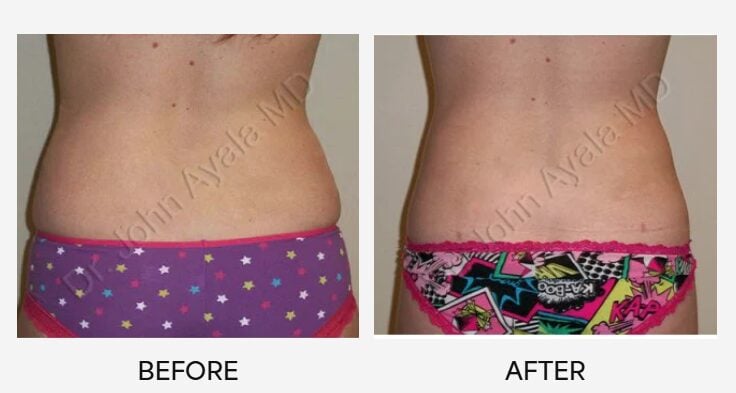
Patients researching fat reduction options in San Antonio are often surprised by how differently liposuction and CoolSculpting actually work, despite both being marketed as solutions for stubborn fat. One is a surgical procedure performed under anesthesia with immediate, dramatic results. The other is a non-invasive treatment performed in a series of sessions with a much slower, subtler timeline. Understanding these fundamental differences, rather than simply comparing price tags, is the key to choosing the option that will actually get you the result you want.
How Liposuction Works
Liposuction is a surgical body contouring procedure in which a thin, hollow tube called a cannula is inserted through small incisions to physically suction out unwanted fat cells from beneath the skin. Because the fat cells themselves are permanently removed from the treated area during a single procedure, results are immediate once post-surgical swelling resolves, and the treated area maintains a fundamentally lower fat cell count going forward, provided the patient maintains a stable weight.

Dr. John Ayala performs liposuction on a wide range of areas, including the abdomen, flanks, back, thighs, arms, and chin, often combining multiple areas within the same surgical session for patients who have more than one area of concern. Because liposuction is performed under anesthesia, whether local with sedation or general anesthesia depending on the extent of treatment, it does require a recovery period, typically involving several days of downtime and a few weeks of swelling before final results become visible.
How CoolSculpting Works
CoolSculpting, by contrast, is a non-invasive treatment that uses a technology called cryolipolysis to freeze fat cells beneath the skin to the point of cell death, without any incisions, anesthesia, or downtime. Once the fat cells are damaged by the cold temperature, the body gradually clears them out over the following weeks and months through its natural metabolic processes, meaning that results emerge slowly and become most visible around two to three months after a session, with continued improvement for up to four to six months.
Because CoolSculpting relies on an external applicator placed against the skin, it is best suited to relatively small, well-defined pockets of fat with a pinchable amount of tissue, since the treatment cannot remove fat from broad, larger areas as effectively as liposuction can in a single session. Most patients require more than one session to see substantial improvement, particularly in areas with a moderate to larger amount of fat.
Comparing Results: Immediate vs. Gradual
The most significant practical difference between these two options is the timeline and scale of visible results. Liposuction removes a substantial volume of fat in a single procedure, and while swelling takes several weeks to fully resolve, the underlying fat cell reduction is immediate and permanent from the moment of surgery. CoolSculpting, by comparison, produces a more gradual, modest reduction in fat volume that unfolds over months rather than being visible right away, and the overall percentage of fat reduction achievable in a treated area is generally lower than what liposuction can accomplish.
For patients with a significant amount of stubborn fat they want addressed dramatically and in one session, liposuction remains the more powerful option. For patients with smaller, more limited areas of concern who are specifically looking to avoid any downtime or surgical risk, CoolSculpting can be a reasonable alternative, provided expectations are calibrated to the more modest degree of change it typically produces.
Comparing Downtime and Recovery
Liposuction recovery involves wearing a compression garment for several weeks, some bruising and swelling that peaks in the first few days and gradually improves, and a period of restricted activity, particularly avoiding strenuous exercise, for two to four weeks depending on the extent of the procedure. Most patients need to take at least a few days off work, and some choose to take a full week or more depending on their job's physical demands and the number of areas treated.
CoolSculpting involves essentially no formal downtime. Patients can typically return to normal activities, including exercise, immediately after a session, though some experience temporary redness, numbness, tingling, or mild swelling in the treated area that resolves within a few days to a couple of weeks. This lack of downtime is one of CoolSculpting's most appealing features for patients balancing treatment against a busy schedule.

Comparing Cost Over Time
While a single CoolSculpting session often carries a lower upfront price than liposuction, patients frequently need multiple sessions across one or more treated areas to achieve a result that is even roughly comparable in scale to what liposuction can accomplish in one surgical visit. When the full course of CoolSculpting sessions needed to achieve meaningful, visible change is factored in, the total cost can end up comparable to, or in some cases higher than, a single liposuction procedure addressing the same areas.
This is worth discussing directly during a consultation, since online pricing comparisons based on a single CoolSculpting session versus a full liposuction procedure are not really comparing equivalent outcomes. Dr. Ayala's office can walk patients through a realistic cost comparison based on the specific areas and degree of change a patient is hoping to achieve.
Who Is a Better Candidate for Liposuction
Liposuction tends to be the better option for patients who have a moderate to significant amount of localized fat they want addressed comprehensively, who are comfortable undergoing a surgical procedure with an associated recovery period, and who want the most dramatic, immediate degree of change achievable through fat reduction alone. It is also generally the more appropriate choice for larger treatment areas, or for patients who want multiple areas addressed within a single session, such as combining abdominal liposuction with flank and back contouring.
Good candidates for liposuction are at or near a stable, healthy weight, have reasonably good skin elasticity, since liposuction does not tighten loose skin, and do not have significant health conditions that would make surgery and anesthesia higher risk. Liposuction can also be combined with a tummy tuck for patients who have both excess fat and loose, stretched abdominal skin or separated muscles, since liposuction alone cannot address those structural changes.
Who Is a Better Candidate for CoolSculpting
CoolSculpting is generally a better fit for patients with smaller, well-defined pockets of fat, who want a treatment with zero downtime and are comfortable with a slower, more gradual timeline for results. It also appeals to patients who are hesitant about surgery in general, whether due to needle or anesthesia anxiety, work schedule constraints that make even a short surgical recovery difficult, or a preference to start with a more conservative option before considering surgery.
Because CoolSculpting works by targeting pinchable fat directly beneath the skin, it is not well suited for visceral fat located deeper within the abdominal cavity, and it will not address skin laxity or loose skin in the way that a surgical procedure combined with skin tightening can. Patients with more than a modest amount of excess fat, or who want a more dramatic overall transformation, are likely to be disappointed by CoolSculpting alone and may ultimately need to pursue liposuction regardless, making an honest conversation about goals during the initial consultation especially important.
What About Areas Where Both Overlap
Certain areas of the body, particularly the abdomen and flanks, are candidates for either treatment, which is often where patients feel the most uncertainty about which path to choose. In these overlapping cases, the decision generally comes down to how much fat is present, how quickly a patient wants to see results, and how much downtime a patient is willing to accept.
A patient with a smaller, isolated area of stubborn fat on the flanks who is not interested in surgery may be a reasonable CoolSculpting candidate. A patient with a similar concern but a larger volume of fat, or who also has some skin laxity in the same area, is likely to get a more satisfying, comprehensive result from liposuction, potentially combined with a skin-tightening approach if laxity is a significant factor.
Can These Treatments Be Combined?
Some patients pursue a combined approach over time, using liposuction to address a larger initial volume of fat surgically and later using CoolSculpting for smaller touch-up areas or maintenance in adjacent regions. Others start with a non-surgical option like CoolSculpting to gauge their results and comfort level before committing to a surgical procedure for a more significant transformation.
This sequencing decision should be made in consultation with Dr. Ayala, since the order and combination of treatments can affect both the timeline for seeing final results and the overall cost of the full treatment plan. Patients considering either option, or trying to decide between the two, are encouraged to review the practice's full range of body contouring procedures to understand the complete set of options available before making a final decision.
What a Consultation Will Cover
During a consultation for fat reduction, Dr. Ayala evaluates the specific areas of concern, assesses the amount and distribution of fat present, checks skin quality and elasticity, and discusses a patient's goals and their tolerance for downtime and recovery. This evaluation is what ultimately determines whether liposuction, CoolSculpting, or in some cases a combination approach, is the most appropriate recommendation, rather than a patient self-selecting a treatment based on marketing claims alone.
Patients are encouraged to be candid about their priorities during this conversation, whether that means prioritizing the most dramatic possible result, minimizing downtime above all else, or working within a specific budget, since all of these factors meaningfully affect which treatment path makes the most sense.
Setting Realistic Expectations for Either Option
Neither liposuction nor CoolSculpting is a weight-loss procedure, and neither is designed for patients who are significantly above a stable, healthy weight and hoping a fat reduction treatment will produce large-scale weight loss. Both are best suited for patients who are already close to their goal weight but have specific, stubborn areas of fat that have not responded to diet and exercise.
Patients should also understand that maintaining results after either treatment depends on maintaining a stable weight going forward. While the fat cells removed by liposuction or destroyed by CoolSculpting do not return, remaining fat cells throughout the body can still expand with significant weight gain, which can affect the overall appearance of a treated area over time even though the specific treated fat cells are gone.
Side Effects and Risk Profile Compared
Because liposuction is a surgical procedure, it carries the general risks associated with any surgery performed under anesthesia, including infection, bleeding, fluid accumulation, and changes in skin sensation, along with contour irregularities if the procedure is not performed with meticulous technique. These risks are relatively low in the hands of an experienced, board-certified plastic surgeon operating in an accredited facility, but they are real considerations that patients should discuss thoroughly during their consultation.
CoolSculpting carries a much lower risk profile overall, since there is no incision, anesthesia, or surgical wound to manage. The most commonly reported side effects are temporary redness, swelling, bruising, numbness, and tingling in the treated area, which typically resolve within a few weeks. A rare but notable risk associated with CoolSculpting is a condition called paradoxical adipose hyperplasia, in which the treated fat tissue actually increases in size rather than decreasing, an outcome that occurs in a small percentage of patients and, when it does occur, typically requires liposuction to correct. While uncommon, this risk is worth discussing directly with a treating provider before beginning CoolSculpting treatment.
A Closer Look at the Liposuction Recovery Timeline
Understanding what liposuction recovery actually looks like week by week can help patients plan appropriately. In the first few days after surgery, swelling and bruising are at their most pronounced, and patients typically rest at home, wearing a compression garment continuously to help control swelling and support the treated tissue as it heals. Most patients can return to a desk job within three to five days, though physically demanding jobs may require a longer absence.
By the second week, swelling begins to noticeably improve, and patients generally feel more comfortable resuming light daily activities, though strenuous exercise remains off-limits until cleared by their surgeon, typically around the three to four week mark. By six weeks, the majority of visible swelling has resolved, and patients can usually see a reasonably clear picture of their new contour, though some final refinement continues for a few months as the last of the swelling fully subsides and the skin adjusts to its new underlying shape.
A Closer Look at the CoolSculpting Timeline
CoolSculpting's timeline looks quite different, since there is no surgical wound to heal, but the fat reduction process itself unfolds slowly. In the days immediately following a session, the treated area may feel numb, tender, or swollen, though patients can resume normal activities right away. Over the following two to four weeks, the body begins gradually clearing the damaged fat cells through its natural lymphatic and metabolic processes, though visible changes are typically not yet apparent during this early period.
Most patients begin to notice a modest reduction in fat volume around the six to eight week mark, with more complete results generally visible around three months after treatment. For patients requiring multiple sessions to achieve their desired degree of change, the overall timeline extends considerably further, since sessions in the same area are typically spaced at least six to eight weeks apart to allow the body to process the previous treatment before repeating it.
A More Detailed Look at Cost Considerations
Because CoolSculpting is priced per session and often per treatment area, patients considering multiple sessions across more than one area should ask for a comprehensive cost estimate covering the full expected treatment course, not just the price of a single session. It is common for patients to underestimate the total investment required to achieve a result comparable to what liposuction could achieve in a single procedure, simply because the individual session price appears lower at first glance.
Liposuction pricing typically reflects the surgeon's fee, anesthesia costs, and facility fees, and it is generally quoted as a single, comprehensive price covering the full procedure regardless of how many areas are treated within that session, similar to how many surgical procedures are priced. Patients comparing the two options are encouraged to ask both practices for a complete, itemized cost breakdown that reflects the full course of treatment needed to achieve their desired outcome, rather than comparing a single CoolSculpting session price against a full liposuction quote.
Why an Honest Consultation Matters More Than Marketing Claims
Both liposuction and CoolSculpting are heavily marketed, and it can be difficult for patients to separate genuine clinical guidance from promotional messaging designed to sell one treatment over another. Dr. Ayala's approach is to evaluate each patient's specific anatomy, goals, and priorities individually, rather than defaulting to whichever treatment a particular marketing campaign happens to be promoting that season.
This is particularly important given how differently these two treatments perform in terms of the scale and speed of results. A patient who chooses CoolSculpting expecting liposuction-level results, or who chooses liposuction based on a fear of surgery that could have been reasonably addressed with a smaller, non-surgical option, is more likely to be dissatisfied with their outcome. A thorough, honest consultation is the best safeguard against this kind of mismatch between expectations and the treatment ultimately chosen.
Reviewing Before-and-After Results for Both Options
Because these two treatments produce such different scales of visible change, reviewing a practice's before-and-after gallery specifically for the treatment you are considering, rather than general body contouring results, is an important step before deciding. Liposuction results should show a clear, immediate reduction in the treated area's volume, while CoolSculpting results, when reviewed at the appropriate three-month mark, should show a more modest but still meaningful improvement.
Patients should be cautious of any provider showing CoolSculpting results that look dramatically transformative, since this can indicate either an unusually ideal candidate being showcased or, in less scrupulous cases, misleading photo selection or editing that does not reflect typical outcomes.
Choosing a Qualified Provider for Either Treatment
Regardless of which option you choose, the qualifications of the person performing your treatment matter significantly. Liposuction should only be performed by a board-certified plastic surgeon in an accredited surgical facility, since it is a genuine surgical procedure with real risks that require appropriate training and emergency preparedness to manage safely. CoolSculpting, while non-surgical, still requires proper training to place the applicators correctly and to appropriately screen patients for candidacy and risk factors like paradoxical adipose hyperplasia.
Dr. Ayala's practice offers both surgical body contouring options like liposuction and can guide patients toward appropriate non-surgical alternatives when that is a better fit for their specific goals, ensuring that the recommendation is based on clinical judgment rather than which service happens to be more profitable to offer. Patients are encouraged to ask directly about a provider's specific training and experience with whichever treatment they are considering, and to confirm board certification and facility accreditation before moving forward with any surgical procedure.
Frequently Asked Questions
Is CoolSculpting less painful than liposuction?
CoolSculpting avoids the incisions, anesthesia, and surgical recovery associated with liposuction, and most patients describe the sensation during treatment as cold and uncomfortable rather than painful. Liposuction involves a proper surgical recovery with some soreness and swelling that is well managed with prescribed pain medication.
How many CoolSculpting sessions will I need to see a noticeable difference?
Most patients need more than one session per treated area to see a meaningful, visible reduction in fat, and some areas may require multiple rounds of treatment spaced weeks apart. This is one of the key factors to weigh against the single-session nature of liposuction.
Can CoolSculpting tighten loose skin?
No. CoolSculpting reduces fat volume but does not meaningfully tighten loose or lax skin. Patients with significant skin laxity are generally better served by a surgical approach that can address both fat and excess skin simultaneously.
What is paradoxical adipose hyperplasia?
Paradoxical adipose hyperplasia is a rare side effect of CoolSculpting in which the treated fat tissue actually grows larger rather than shrinking. It occurs in a small percentage of patients, and when it does happen, liposuction is typically needed to correct the affected area.
How soon can I exercise after each treatment?
CoolSculpting patients can typically resume exercise immediately, since there is no surgical incision to protect. Liposuction patients generally need to wait three to four weeks before resuming strenuous exercise, following their surgeon's specific guidance based on the extent of the procedure performed.
Does either treatment work well on the arms?
Both treatments can be used on the upper arms, though the right choice again depends on the amount of fat present and skin quality. Patients with more significant arm fat or noticeable skin laxity in this area may be better candidates for liposuction, potentially combined with an arm lift if skin laxity is substantial.
Will my results from liposuction or CoolSculpting last permanently?
The specific fat cells removed by liposuction or destroyed by CoolSculpting do not return. However, results can still be affected by significant future weight gain, since remaining fat cells throughout the body can expand, altering the treated area's appearance even though the originally treated fat is permanently gone.
Is one option better for the abdomen specifically?
It depends on the amount of fat present and whether skin laxity is also a concern. A smaller, isolated area of abdominal fat with good skin quality may respond well to CoolSculpting, while a larger volume of fat, or fat combined with loose skin, is generally better addressed with liposuction, potentially combined with a tummy tuck.
How do I decide which option is right for me?
The best way to decide is through a consultation where a board-certified plastic surgeon can evaluate your specific areas of concern, the amount of fat present, your skin quality, and your personal priorities around downtime, cost, and the scale of result you are hoping to achieve.
Can I combine liposuction and CoolSculpting?
Some patients do use both treatments over time, often starting with liposuction to address a larger volume of fat surgically and using CoolSculpting later for smaller touch-up areas. This kind of sequencing should be planned in consultation with your surgeon based on your specific goals and treatment areas.