

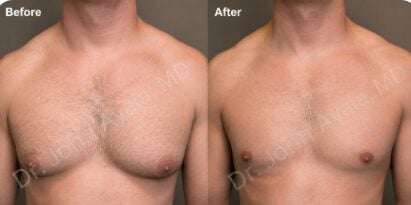
Enlarged male breast tissue, medically known as gynecomastia, is a surprisingly common condition that many men in San Antonio quietly live with for years, often avoiding certain activities or clothing rather than seeking treatment. Dr. John Ayala's male breast reduction practice addresses this concern directly, and understanding candidacy factors and what recovery actually involves can help men considering this procedure feel more prepared and informed.
Understanding Gynecomastia and Why It Develops
Gynecomastia refers to the development of excess breast tissue in men, and it is far more common than most people realize, affecting men at various points across their lives for a range of underlying reasons. This condition can involve excess glandular breast tissue, excess fat, or a combination of both, and identifying which specific tissue type is present in a given patient is an essential first step that directly shapes the recommended surgical approach.
Contrary to a common assumption, gynecomastia is not simply a sign of being out of shape or overweight, since true glandular breast tissue does not respond to diet or exercise the way body fat elsewhere might. Many men spend months or years attempting to address this concern through fitness routines alone before realizing that the tissue causing their concern is structurally different from ordinary fat and will not respond to these efforts.
What Causes Gynecomastia
Hormonal changes during puberty are among the most common causes of gynecomastia, with many adolescent boys experiencing some temporary breast tissue development that typically resolves within a couple of years, though for some men this tissue persists into adulthood rather than fully resolving. Certain medications, anabolic steroid use, and recreational substances including marijuana have also been associated with gynecomastia, since these can disrupt the natural hormonal balance between testosterone and estrogen in ways that promote breast tissue growth.
Significant weight gain can contribute to gynecomastia as well, both through general fat accumulation in the chest and through hormonal changes associated with excess body fat, since fat tissue itself can produce estrogen. Certain underlying medical conditions affecting the liver, thyroid, or testosterone production can also cause or worsen gynecomastia, which is why a thorough health history review is an important part of any consultation for this concern.
Why a Medical Evaluation Matters Before Considering Surgery
Because gynecomastia can occasionally point to an underlying medical condition, Dr. Ayala's evaluation includes a review of a patient's health history, current medications, and any relevant symptoms before proceeding to surgical planning. While most cases of gynecomastia are not associated with any serious underlying medical issue, ruling out conditions like thyroid dysfunction or hormonal imbalance is a responsible step in the overall evaluation process.
Who Is a Good Candidate for Male Breast Reduction
Good candidates for male breast reduction surgery are men with persistent breast tissue enlargement that has not improved on its own, particularly when the condition has remained stable for a year or longer, suggesting it is unlikely to resolve further without treatment. Patients should be in generally good health and at a relatively stable weight, with realistic expectations about the degree of improvement achievable given their specific tissue composition.
Men experiencing meaningful self-consciousness, embarrassment, or lifestyle limitations related to their chest appearance, such as avoiding swimming or wearing certain fitted clothing, are often strong candidates for pursuing surgical correction, since the psychological impact of this condition is frequently just as significant as its physical presentation.

Determining the Right Surgical Approach
Dr. Ayala's specific technique for male breast reduction depends on whether a patient's gynecomastia is driven primarily by excess fat, excess glandular tissue, or a combination of both, a distinction determined through physical examination during the consultation.
Liposuction for Fat-Predominant Cases
For patients whose enlarged chest tissue is caused primarily by excess fat rather than dense glandular tissue, liposuction alone may be sufficient to correct the concern. This approach involves inserting a thin cannula through small, well-hidden incisions to remove excess fat, flattening the chest contour. This technique tends to be most successful in patients with good skin elasticity, since it does not address any excess skin that may be present.
Direct Excision for Glandular Tissue
For patients with true glandular breast tissue, which is firmer and more fibrous than fat, liposuction alone is not effective, since this tissue cannot be adequately removed through a liposuction cannula. In these cases, Dr. Ayala performs a direct surgical excision, removing the glandular tissue through a small incision typically placed at the edge of the areola, where the resulting scar can blend into the natural color transition and be well concealed. Many patients require a combination of both liposuction and direct excision to address both the fatty and glandular components of their specific presentation.
Addressing Excess Skin in More Advanced Cases
Patients with more significant gynecomastia, particularly those who have experienced substantial weight loss, may have loose, excess skin in addition to breast tissue, requiring a more extensive procedure to remove this skin and reposition the nipple to a more natural, elevated position on the chest.
What Happens During a Consultation
During a consultation, Dr. Ayala examines the specific composition of a patient's chest tissue, distinguishing between fat and glandular tissue through physical examination, and assesses skin quality to determine whether skin excision will be necessary alongside tissue removal. He reviews the patient's health history and any relevant medication or substance use, and discusses realistic expectations for the surgical outcome based on the specific combination of tissue present in that individual patient.
Patients are never rushed through this evaluation process, reflecting Dr. Ayala's broader practice philosophy of taking the time needed to fully understand each patient's specific concerns and goals before recommending a surgical plan.
The Procedure Itself
Male breast reduction surgery is typically performed under general anesthesia and generally takes one to two hours, depending on the specific combination of liposuction, tissue excision, and any skin removal required for a given patient's anatomy. Dr. Ayala places incisions carefully to minimize visible scarring, typically positioning them at the edge of the areola or within the natural fold beneath the chest whenever skin removal is needed.
Recovery After Male Breast Reduction
Most patients experience swelling, bruising, and some tightness across the chest in the first week following surgery, generally well managed with prescribed pain medication. A compression garment is typically worn for several weeks following surgery to support the healing tissue and help manage swelling, contributing to a smoother, more refined final contour.
Most patients feel comfortable returning to work within about a week for less physically demanding jobs, though strenuous exercise and any activity significantly engaging the chest muscles is typically restricted for four to six weeks to allow complete healing. Full, final results become apparent over the following months as residual swelling fully resolves.
Setting Realistic Expectations
A well-performed male breast reduction should produce a flatter, more masculine chest contour proportionate to the patient's overall build, without an overly hollowed or unnatural appearance. Dr. Ayala is direct with patients about what degree of improvement is realistically achievable given their specific starting anatomy, since patients with significant excess skin may have some residual laxity that tissue removal alone cannot fully address without additional skin excision.
Long-Term Results and Maintenance
Once glandular tissue has been surgically removed, it typically does not regrow, meaning results are generally permanent for that component of the correction. However, patients who continue using substances known to contribute to gynecomastia, or who experience significant future weight gain, can develop new fat accumulation or, in some cases, tissue changes in the chest area over subsequent years. Dr. Ayala discusses these long-term maintenance considerations directly with patients whose gynecomastia was related to identifiable lifestyle factors.
Combining Male Breast Reduction With Other Procedures
Some men combine male breast reduction with other body contouring procedures during the same surgical session, particularly liposuction of the abdomen or flanks for patients addressing multiple areas of concern simultaneously. Dr. Ayala evaluates each patient's full range of concerns during the consultation, rather than considering the chest in isolation, to determine whether combining procedures would provide a more comprehensive, cost-effective overall result.
Why Discretion Matters for This Procedure
Given how personal and often emotionally significant this concern is for many men, Dr. Ayala's practice approaches these consultations with particular sensitivity, recognizing that many patients have carried self-consciousness about their chest appearance for years before finally scheduling a consultation. The practice's unrushed, judgment-free consultation philosophy is particularly well suited to a concern that so many men find difficult to discuss openly.
Taking the Next Step
If you are considering male breast reduction in San Antonio and want a thorough, judgment-free consultation with an experienced, board-certified plastic surgeon, contact Dr. Ayala's office today.
Understanding the Different Grades of Gynecomastia
Plastic surgeons commonly classify gynecomastia into different grades based on the amount of excess tissue and skin present, and understanding this classification helps explain why treatment recommendations vary considerably from patient to patient. Grade I involves a small amount of excess tissue without significant skin excess, often well suited to a relatively straightforward liposuction or limited excision approach. Grade II involves moderate tissue excess, sometimes with mild skin laxity, typically requiring a combination of liposuction and direct glandular excision. Grade III and IV represent more significant tissue excess, often accompanied by noticeable skin laxity and, in more advanced cases, a downward displacement of the nipple position requiring surgical repositioning as part of the correction.
Dr. Ayala's evaluation during the consultation identifies which grade most closely reflects a given patient's presentation, since this classification directly informs the complexity of the surgical plan required and the realistic recovery timeline a patient should expect.
The Emotional and Psychological Dimension of This Condition
Research on gynecomastia consistently shows this condition carries a significant psychological burden for many men, often disproportionate to what might be assumed based on the physical presentation alone. Men with gynecomastia frequently report avoiding activities like swimming, going shirtless, or wearing fitted clothing, sometimes restructuring their entire wardrobe strategy for years specifically to conceal their chest. Anxiety, self-consciousness, and diminished confidence have been associated with untreated gynecomastia in various studies, underscoring that this is a legitimate concern deserving thoughtful, compassionate medical attention rather than a purely cosmetic preference to be dismissed.
Dr. Ayala approaches every consultation for this concern with this psychological dimension in mind, recognizing that successful surgical correction often produces a meaningful improvement in a patient's overall confidence and willingness to participate in activities they had previously avoided.
How This Procedure Differs From Female Breast Reduction
Patients sometimes ask how male breast reduction compares to breast reduction surgery performed for women, since both involve reducing breast tissue volume. While there is some technical overlap, male breast reduction specifically aims to create a flat, masculine chest contour, an entirely different goal from female breast reduction, which aims to reduce breast size while preserving a distinctly feminine breast shape and mound. This means male breast reduction typically involves more complete tissue removal relative to overall chest size, since any residual fullness can continue to read as a feminized chest contour even after some tissue has been removed.
Preparing for Male Breast Reduction Surgery
Patients preparing for this procedure are generally advised to stop smoking and using nicotine products well in advance of surgery, since nicotine impairs healing. Any supplements or medications that increase bleeding risk should be reviewed with Dr. Ayala's office and paused as directed before surgery. Patients using anabolic steroids or other substances contributing to their gynecomastia are encouraged to discuss discontinuing use with Dr. Ayala, both to support optimal surgical planning and to reduce the risk of tissue regrowth following surgery.
Unilateral vs. Bilateral Presentation
While gynecomastia often affects both sides of the chest relatively symmetrically, some men present with the condition affecting only one side, or with noticeable asymmetry between the two sides. This can cause additional anxiety, since patients may wonder whether asymmetry itself signals something more concerning. In most cases, unilateral or asymmetric gynecomastia reflects the same benign hormonal or lifestyle-related causes as bilateral cases, simply presenting somewhat unevenly, though Dr. Ayala's evaluation includes appropriate attention to ruling out other causes when significant asymmetry is present. Surgical planning for these cases requires particular attention to achieving a balanced, symmetric final result despite differing starting points on each side.
Why Choosing an Experienced Surgeon Matters for This Procedure
Male breast reduction requires careful surgical judgment regarding how much tissue to remove and how to blend the transition between the chest and surrounding areas to avoid an overly hollowed or unnatural-looking result. Surgeons with less specific experience sometimes remove either too little tissue, leaving residual fullness, or too much, creating an unnatural indentation. Dr. Ayala's exclusive focus on cosmetic surgery of the face, breast, and body brings a dedicated, refined level of judgment to this procedure that a more generalized surgical practice might not offer to the same degree.
What to Expect at Your Follow-Up Visits
Following male breast reduction, patients typically return for follow-up visits over the weeks after surgery, allowing Dr. Ayala to monitor healing and confirm that swelling is resolving as expected. These visits provide an opportunity to discuss the compression garment schedule and address any questions that arise during recovery, ensuring patients feel supported throughout the entire healing process rather than navigating recovery without guidance after the initial procedure.
Frequently Asked Questions
Can gynecomastia go away without surgery?
In some cases, particularly gynecomastia related to puberty, tissue can resolve on its own within a couple of years. Gynecomastia that has persisted for a year or more, or that is related to ongoing substance use or an underlying medical condition, typically does not resolve without treatment.
Will diet and exercise eliminate gynecomastia?
No, particularly if true glandular tissue is present, since this tissue does not respond to caloric restriction or targeted exercise. A physical evaluation is needed to determine whether fat, glandular tissue, or both are contributing to your specific presentation.
How do I know if I need liposuction alone or tissue excision?
This is determined through a physical examination during your consultation, since liposuction alone is only effective for gynecomastia caused primarily by excess fat rather than dense, fibrous glandular tissue.
How long is recovery after male breast reduction?
Most patients return to work within about a week, though strenuous exercise and chest-engaging activity are typically restricted for four to six weeks to allow complete healing.
Is male breast reduction surgery permanent?
Surgically removed glandular tissue generally does not regrow, making results permanent for that component of the procedure, though continued substance use or significant future weight gain can lead to new tissue development over time.
What causes gynecomastia?
Common causes include hormonal changes during puberty, anabolic steroid or marijuana use, certain medications, obesity, and, less commonly, underlying medical conditions affecting the liver, thyroid, or testosterone levels.
Is male breast reduction covered by insurance?
Because it is generally considered an elective cosmetic procedure, male breast reduction is typically not covered by insurance, though patients are encouraged to discuss their specific situation with their insurance provider.