

| Element | Information |
|---|---|
Procedures | Chemical peels and microneedling (skin resurfacing) |
Duration | 30 to 60 minutes per treatment |
Anesthesia | Topical numbing for both procedures |
Downtime | Chemical peels: 3 to 14 days depending on depth; Microneedling: 3 to 5 days |
Results Timeline | Chemical peels: results visible at 1 to 2 weeks; Microneedling: results at 4 to 6 weeks |
Results Duration | Chemical peels: 3 to 6 months to 1 year; Microneedling: 6 to 12 months |
Cost Range | Chemical peels: $500 to $2,000 per treatment; Microneedling: $400 to $1,500 per treatment |
Understanding Skin Aging and Damage
Your skin shows signs of aging through multiple mechanisms. Fine lines and wrinkles develop from repeated facial expressions (dynamic lines) and from loss of collagen and elastin (static lines). Sun damage creates age spots, uneven pigmentation, and rough texture. Acne scars create textural irregularities. Loss of skin thickness makes your complexion appear dull.
Many patients address these concerns with topical skincare products, but skincare alone has limitations. Once significant damage has occurred or lines have become established, skincare cannot fully reverse these changes. This is where professional skin resurfacing treatments become valuable.
Two of the most popular skin resurfacing options are chemical peels and microneedling. While both improve skin appearance, they work through different mechanisms and have different benefits. Understanding each option helps you choose the right treatment for your specific concerns. Many patients benefit from combining these treatments with other procedures like laser skin resurfacing for comprehensive results.
What Are Chemical Peels?
A chemical peel is a procedure where a chemical solution is applied to your skin, causing the top layers to peel away. This controlled injury stimulates healing and reveals fresher, smoother skin beneath.
Chemical peels come in three depths, each addressing different concerns and producing different levels of improvement.
Superficial peels (light peels) affect only the epidermis, the outermost layer of skin. These peels typically use alpha hydroxy acids (AHAs) or beta hydroxy acids (BHAs). They address mild discoloration, fine lines, and dull skin. They require no downtime and can be repeated frequently, often monthly. Results are subtle but cumulative.
Medium peels affect the epidermis and portions of the dermis (the deeper skin layer). These peels typically use trichloroacetic acid (TCA). They address moderate sun damage, age spots, fine lines, and shallow acne scars. Downtime is typically one to two weeks, with visible peeling and redness. Results are more dramatic than light peels.
Deep peels (phenol peels) affect the epidermis and dermis more extensively. These peels are rarely performed today because of significant downtime and risks, but they produce the most dramatic results.
How Chemical Peels Work
When a chemical solution is applied to your skin, it creates a controlled burn that damages the outer layers. Your skin responds by triggering its natural healing response, which includes increased collagen production and cellular renewal.
As your skin heals from this controlled injury, several things happen. The damaged outer layers peel away, revealing fresher skin beneath. New collagen is produced deep in the dermis, which fills in fine lines and improves skin texture. Pigmentation irregularities diminish as damaged melanin-containing cells are shed. Your skin looks brighter, smoother, and more youthful.
What Is Microneedling?
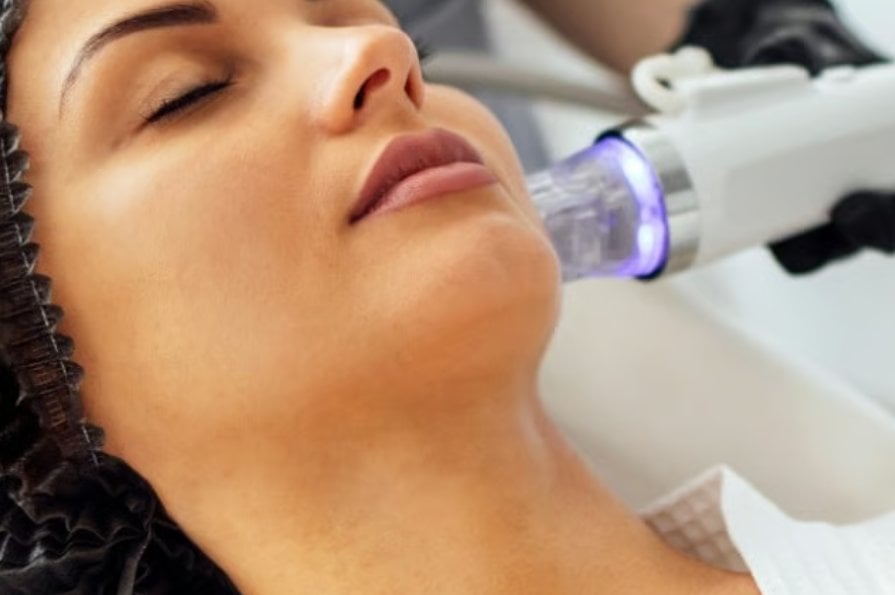
Microneedling is a different approach to skin resurfacing that works by creating controlled micro-injuries with tiny needles. A device containing hundreds of fine needles is rolled over your skin, creating thousands of tiny punctures.
These micro-injuries trigger your skin's natural wound-healing response, which includes collagen and elastin production. Over the following weeks and months, your body produces new collagen that fills in fine lines, improves texture, and creates an overall improvement in skin appearance.
Microneedling is gentler than chemical peels and has less downtime. It's an excellent option for patients seeking improvement with minimal recovery time. When combined with our skincare products line, results are even more dramatic.
Comparing Results
Chemical peels show results relatively quickly. After a light peel, your skin looks immediately brighter. After a medium peel, improvement is dramatic within two to three weeks as peeling resolves.
Microneedling results take longer to develop, typically four to eight weeks, as collagen production gradually improves your skin.
Chemical peels work through chemical exfoliation, literally removing damaged skin layers. Microneedling works through controlled micro-injuries that stimulate collagen production without removing skin.
Light chemical peels require minimal downtime. Medium peels require one to two weeks of visible peeling and redness. Microneedling requires two to five days of redness and mild swelling, but you can typically resume most activities within three to five days.
Best Uses
Chemical peels are excellent for addressing surface pigmentation irregularities, mild to moderate sun damage, fine lines, and overall skin tone and texture improvement. They're also excellent for treating active acne and post-inflammatory hyperpigmentation.
Microneedling is excellent for fine lines, mild to moderate acne scars, overall skin texture improvement, and collagen stimulation. It's also useful for treating stretch marks and other textural concerns.
Combination Therapy
Some patients get excellent results by combining chemical peels and microneedling. The chemical peel addresses surface-level concerns while microneedling addresses deeper textural issues. Spacing treatments several weeks apart allows your skin to recover between treatments while building collagen gradually.
Many patients enhance their results by combining skin resurfacing with Botox and dermal fillers to address expression lines and volume loss simultaneously. Our laser skin resurfacing option provides another powerful tool for comprehensive skin improvement.
Results and Maintenance
For both treatments, avoiding makeup and harsh skincare products for several days after treatment is recommended to allow your skin to heal optimally.
After a chemical peel, you must be extremely diligent with sun protection. Your newly exposed skin is particularly vulnerable to sun damage. Wearing daily broad-spectrum SPF 30+ sunscreen is essential.
Many patients see the best results when they commit to regular skin resurfacing treatments combined with excellent daily skincare.
Frequently Asked Questions
What's the difference between chemical peels and microneedling?
Chemical peels use acid solutions to remove outer skin layers through chemical exfoliation. Microneedling creates micro-injuries with tiny needles to stimulate collagen production without removing skin.
How long do chemical peels take?
Chemical peels typically take 30-60 minutes depending on the depth and size of the treatment area.
What is the downtime for these procedures?
Light chemical peels have minimal downtime. Medium peels require 1-2 weeks. Microneedling requires 3-5 days downtime with redness and mild swelling.
How quickly will I see results?
Chemical peels show results in 1-2 weeks. Microneedling results develop gradually over 4-8 weeks as collagen is produced.
Which treatment is best for acne scars?
Microneedling is excellent for mild to moderate acne scars. Medium chemical peels can address shallow scars. Combining both treatments often produces the best results.
How long do the results last?
Chemical peel results last 3-6 months to 1 year. Microneedling results last 6-12 months. Regular maintenance treatments extend results.
Can I combine these treatments?
Yes, spacing treatments several weeks apart allows your skin to recover while building collagen. This combination approach often produces superior results.
What's the cost of these procedures?
Chemical peels cost $500-$2,000 per treatment. Microneedling costs $400-$1,500 per treatment depending on treatment area and depth.
Why Choose Ayala Plastic Surgery
At Ayala Plastic Surgery, we understand that healthy, beautiful skin requires both professional treatments and excellent daily care. Our team can assess your skin condition, discuss your goals, and recommend the treatments that will best address your specific concerns.
We offer both chemical peels and microneedling and can help you determine whether one treatment alone or a combination approach would serve you best. We're also available to discuss how these treatments integrate with other non-surgical skin rejuvenation options at our medical spa.
Contact Ayala Plastic Surgery in San Antonio today to schedule your skin consultation. Discover how chemical peels or microneedling can help you achieve the clear, smooth, youthful skin you've always wanted.