
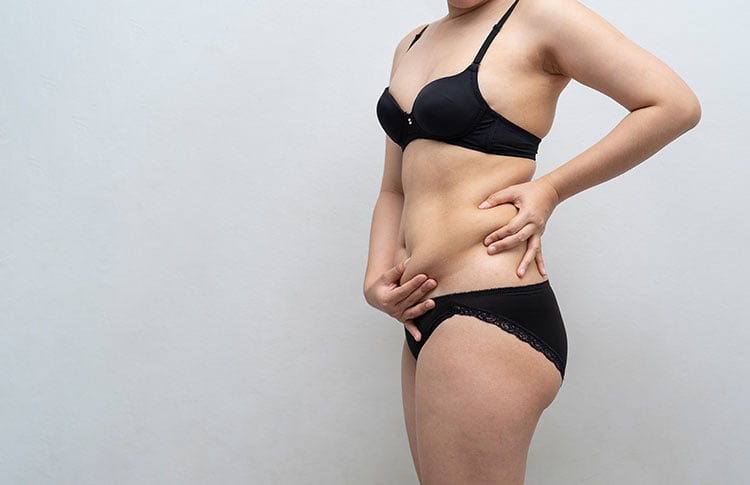
There is a specific kind of frustration that comes from doing everything right, eating well, staying consistent with exercise, watching the scale move in the right direction, and still looking in the mirror at the exact same stubborn pocket of fat on your abdomen, thighs, or love handles that refused to budge no matter what. This is not a failure of willpower. Certain areas of the body are simply more resistant to diet and exercise than others, a genuine physiological reality rather than a discipline problem. Board-certified plastic surgeon John Ayala, MD offers long-lasting solutions specifically for patients dealing with this exact kind of exercise-resistant fat at his San Antonio practice.
Fat distribution and fat cell resistance to diet-induced loss are influenced significantly by genetics, hormones, and individual body chemistry, factors entirely outside a person's control regardless of how disciplined their lifestyle is. Certain areas, commonly the abdomen, thighs, upper arms, hips, "love handles," and buttocks, are simply more prone to holding onto fat even as a person loses weight successfully elsewhere. This is why two people can follow an identical diet and exercise routine and see meaningfully different results in these specific areas, since the underlying fat cell behavior in each person's body differs based on factors that have nothing to do with effort or consistency.
Liposuction remains the most popular method of selective, targeted fat removal, using a narrow cannula and suction-assisted technology to extract excess fat cells directly from the treatment area. This technique can remove a significant percentage of fat in a given area in a single procedure, delivering results that are immediately noticeable once healing is complete, rather than gradual improvement built over many sessions. Liposuction tends to be the right fit specifically for patients who want to see noticeable results relatively quickly, who do not mind undergoing surgery and an associated recovery period, and who are looking for a more dramatic, complete transformation than gentler, non-surgical alternatives typically provide.
It helps to understand the mechanism behind why these specific areas resist loss even as overall body fat decreases. Fat cells throughout the body do not shrink or grow uniformly. Some regions are more metabolically active, meaning fat is more readily mobilized and burned during weight loss, while other regions are comparatively less responsive, holding onto stored fat even during a genuine, sustained caloric deficit. This is why patients who have lost significant weight overall sometimes still have specific pockets that look disproportionately full compared to the rest of their now-slimmer frame, a mismatch that reflects genuine biological variation rather than incomplete effort.
Dr. Ayala and the medical team listen carefully to each patient's specific concerns to determine the most appropriate treatment for their particular pattern of stubborn fat, since not every area or every patient calls for an identical approach. Some patients are candidates for a single, focused liposuction treatment addressing one specific area. Others are dealing with stubborn fat across multiple regions and benefit from a more comprehensive plan addressing several areas together in a coordinated procedure. This individualized assessment is part of why a consultation, rather than a generic treatment package, is the appropriate starting point for anyone genuinely frustrated by fat that has resisted every non-surgical effort.
It is worth being direct about candidacy here. Liposuction and similar body contouring approaches are designed for patients who are already relatively close to their overall goal weight, with isolated areas of resistant fat remaining despite genuine effort, not for patients seeking significant overall weight loss. If your concern is broad, full-body weight rather than a specific, isolated stubborn area, a conversation about weight management first, followed by targeted contouring afterward for whatever pockets remain resistant even at a stable, healthy weight, tends to produce more satisfying results than pursuing fat removal as a primary weight loss strategy.
If you have genuinely given diet and exercise a fair, sustained effort, meaning months rather than weeks of consistency, and a specific area continues to look disproportionate to the progress you have made everywhere else, that pattern itself is a reasonable signal that you are dealing with genuinely stubborn fat rather than an area that simply needs more time. This is exactly the scenario Dr. Ayala's practice is built to address, and a consultation can clarify whether liposuction alone, or liposuction combined with another procedure addressing skin or muscle concerns in the same area, is the right path for your specific situation.
Frequently Asked Questions
Why won't my stubborn fat respond to diet and exercise?
Fat distribution and how readily different areas respond to weight loss are influenced by genetics, hormones, and individual body chemistry, factors that affect how "stubborn" a specific area is regardless of how consistent your effort has been.
What areas tend to be most affected by stubborn fat?
Common areas include the abdomen, thighs, upper arms, hips, love handles, and buttocks, though the specific pattern varies considerably from person to person.
How much fat can liposuction actually remove?
Liposuction can remove a significant percentage of fat in a treated area, though safety guidelines limit total volume removed in any single session, meaning it is designed for contouring rather than major weight loss.
Is liposuction right for someone who still has significant weight to lose overall?
Generally, liposuction works best for patients already close to their goal weight with isolated stubborn areas remaining, rather than as a method for significant overall weight loss.
How long have I given diet and exercise before considering this truly "stubborn"?
A sustained effort of several months with a specific area remaining visually disproportionate to progress made elsewhere is a reasonable signal that the area may be genuinely resistant rather than simply needing more time.
Can multiple stubborn areas be treated in one procedure?
Yes. Patients dealing with resistant fat across several regions can often have multiple areas addressed together in one coordinated treatment plan, determined during consultation.