

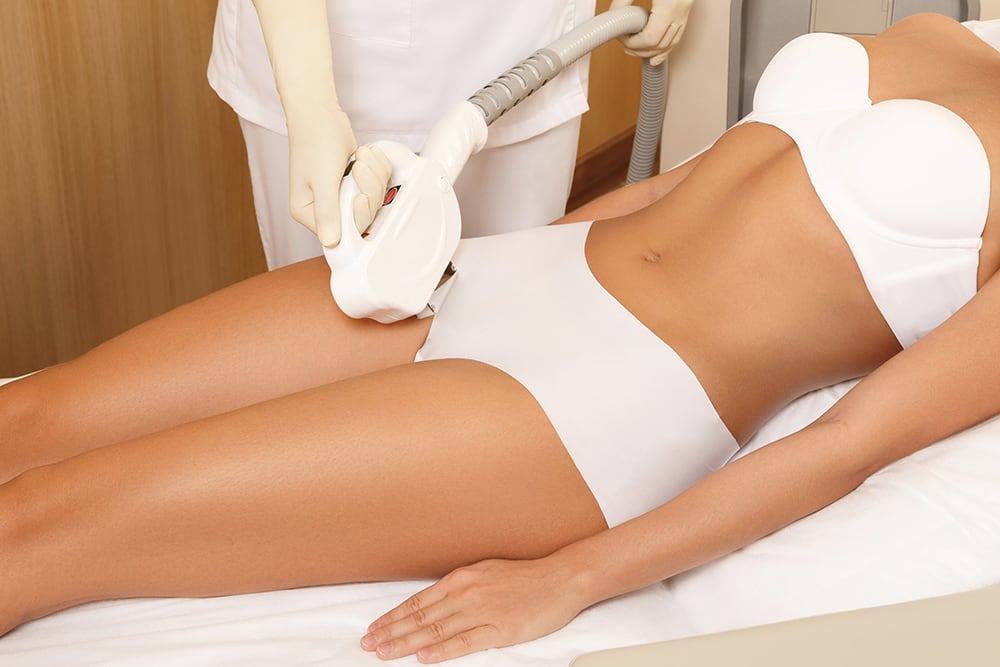
Non-surgical skin tightening has become one of the more heavily marketed categories in aesthetic medicine, often promoted with language that implies these treatments can achieve facelift-level results without any surgery at all. That framing oversells what the technology can genuinely deliver and sets patients up for disappointment when a device-based treatment doesn't produce the dramatic change a surgical procedure would. Understanding what non-surgical skin tightening can realistically accomplish, and which specific technology fits which specific concern, is essential before investing time and money in a treatment plan.
Dr. John Ayala, a board-certified plastic surgeon practicing in San Antonio, offers non-surgical skin tightening as part of a broader range of options and helps patients understand honestly where these treatments fit relative to surgical alternatives, rather than overselling non-surgical technology as a substitute for surgery in patients whose anatomy calls for something more.

What Non-Surgical Skin Tightening Actually Does
The general mechanism behind most non-surgical skin tightening technologies involves delivering controlled energy, whether in the form of radiofrequency waves, ultrasound energy, or another energy modality, into the deeper layers of the skin without disrupting the skin's surface. This controlled heating triggers a wound-healing-like response in the tissue, stimulating the body's own production of collagen and elastin, the structural proteins responsible for skin firmness and elasticity.
Because this process relies on stimulating a biological response rather than physically repositioning tissue the way surgery does, results build gradually over the weeks and months following treatment as the body's collagen production responds, rather than appearing immediately. This is a fundamentally different mechanism than surgical skin tightening, which physically removes excess skin and repositions the remaining tissue in a single procedure with immediately visible results.
Who Is a Good Candidate for Non-Surgical Skin Tightening
Non-surgical skin tightening technology works best for patients with mild to moderate skin laxity, generally earlier in the aging process, who have not yet developed the significant sagging or excess tissue that would require surgical correction. Patients in this category often see a meaningful, if modest, improvement in skin firmness and texture from non-surgical treatment.
Patients with more significant skin laxity, substantial excess skin, or advanced signs of aging generally will not see the degree of correction they're hoping for from non-surgical technology alone. This is one of the more common sources of patient disappointment in this treatment category: choosing a non-surgical option specifically because it sounds like an easier answer, without an honest assessment of whether the degree of laxity present is actually within what non-surgical technology can meaningfully address.
Types of Non-Surgical Skin Tightening Technology
Radiofrequency-based treatments use radio wave energy to heat the deeper layers of skin, stimulating collagen production. These treatments are generally well suited to mild skin laxity across the face, neck, and body, and are often chosen for their relatively comfortable treatment experience and minimal downtime.
Ultrasound-based treatments use focused ultrasound energy to reach even deeper into the tissue than radiofrequency typically can, targeting a layer of tissue closer to what a surgical facelift would address directly. This deeper reach is part of why ultrasound-based technology is sometimes positioned as producing a more noticeable lifting effect compared to radiofrequency alone, though the degree of correction still remains meaningfully more modest than surgical intervention.
Combination devices that use both radiofrequency and mechanical or ultrasound energy simultaneously have also become common, with the theory being that combining energy modalities addresses tissue at multiple depths within a single treatment session, potentially producing a more comprehensive result than either technology used in isolation.
Setting Realistic Expectations for Results
Patients should understand that non-surgical skin tightening produces a gradual, incremental improvement, not a dramatic transformation. A reasonable way to frame expected results is that skin looks somewhat firmer and slightly more lifted, often described by patients as looking refreshed or less tired, rather than looking meaningfully younger or having undergone what would be recognized as significant surgical-level change.
The degree of improvement also varies considerably between patients based on individual skin quality, age, and the specific area treated, which is part of why an honest consultation that sets expectations based on a patient's specific anatomy, rather than generic marketing claims about the technology, matters considerably for patient satisfaction with this treatment category.
Number of Treatments and Maintenance
Most non-surgical skin tightening protocols involve either a single treatment session that produces gradually building results over the following months, or a series of multiple sessions spaced weeks apart depending on the specific technology and treatment area. Results are not permanent in the way surgical tightening is, since the underlying aging process continues after treatment, and most patients benefit from periodic maintenance treatments, often annually or every one to two years, to sustain the improvement over time.
This maintenance requirement is a meaningful part of the cost and time commitment comparison between non-surgical and surgical options that patients should factor into their decision, since the cumulative cost of repeated maintenance treatments over many years can, for some patients, approach or exceed the cost of a single surgical procedure that doesn't require the same ongoing maintenance cycle.
Comparing Non-Surgical Tightening to Surgical Alternatives
For patients with more significant skin laxity or excess skin, particularly in the body after weight loss or pregnancy, surgical procedures generally remain the more effective option for achieving substantial, lasting correction. Patients evaluating body contouring options after significant weight change should review the practice's tummy tuck content and liposuction page to understand what surgical correction can achieve for more advanced laxity that non-surgical skin tightening technology was never designed to address.
For facial skin laxity specifically, non-surgical skin tightening can be a reasonable option for patients in the earlier stages of aging, but patients with more significant facial aging, including jowling or midface descent, are generally better served exploring the practice's facelift content rather than expecting non-surgical technology to correct changes it fundamentally isn't designed to reach.
Combining Non-Surgical Skin Tightening With Other Treatments
Non-surgical skin tightening is frequently combined with other non-surgical treatments as part of a broader aesthetic plan, since each treatment category addresses a different aspect of skin aging. Combining skin tightening with treatments that address volume loss, such as filler, or treatments that address surface texture and pigmentation, such as certain laser or resurfacing treatments, can produce a more complete overall improvement than any single treatment addressing skin firmness alone.
This layered approach is particularly relevant for patients who are not yet candidates for, or not yet interested in, surgical correction but want to address multiple visible signs of aging simultaneously through a combination of non-surgical treatments each targeting a different underlying mechanism.
What Happens During a Consultation
A consultation for non-surgical skin tightening involves an assessment of current skin quality and the degree of laxity present, a discussion of realistic expected outcomes based on that specific assessment rather than generic marketing claims, and an honest conversation about whether the patient's degree of aging is actually within the range non-surgical technology can meaningfully address or whether a surgical consultation would be more appropriate given their specific goals.
Dr. Ayala's approach to these consultations generally prioritizes this honest calibration of expectations over simply offering whichever treatment a patient initially requests, since a patient who proceeds with non-surgical treatment expecting surgical-level results is set up for disappointment regardless of how well the treatment itself is performed.
Common Myths About Non-Surgical Skin Tightening
Myth: These treatments are risk-free because they're non-surgical. While non-surgical skin tightening carries considerably less risk than surgery, it is not entirely without risk. Energy-based devices can, in rare cases, cause burns or uneven results if not administered with appropriate settings and technique for a patient's specific skin type, which is part of why these treatments should still be performed by an appropriately trained provider rather than treated as universally low-stakes simply because no incision is involved.
Myth: One treatment session produces a permanent result. Results from non-surgical skin tightening are not permanent, since the underlying aging process continues after treatment regardless of how effective the initial session was. Most patients need periodic maintenance to sustain their results over time, similar to how many non-surgical aesthetic treatments require ongoing upkeep rather than delivering a one-time, permanent correction.
Myth: If one session doesn't produce dramatic results, the treatment failed. Because these technologies work by stimulating a gradual collagen response rather than producing an immediate physical change, judging results too early, before the body has had adequate time to respond to the stimulation, can create an inaccurate impression that treatment wasn't effective. Most protocols recommend evaluating results at least two to three months after treatment, once the collagen-building process has had time to develop.
Myth: Body skin tightening and facial skin tightening use the same approach. While the underlying energy-based mechanism is often similar, the specific settings, treatment protocol, and expected results can differ meaningfully between facial and body applications, given differences in skin thickness, the underlying tissue structure, and the specific areas of concern typically being addressed in each region.
How Body Skin Tightening Differs From Facial Applications
Non-surgical skin tightening technology is used across both facial and body applications, but the specific considerations differ somewhat between the two. Body applications, such as tightening skin on the abdomen, arms, or thighs following modest weight loss or as part of general skin quality maintenance, generally require different device settings and sometimes different specific technologies than facial applications, given the different skin thickness and tissue depth involved across these different areas of the body.
Patients considering body skin tightening specifically should understand that this technology, like its facial counterpart, works best for mild to moderate laxity and is not a substitute for surgical body contouring in patients with more significant excess skin, particularly following substantial weight loss where surgical procedures like a body lift are generally necessary to achieve meaningful correction.
Setting a Realistic Treatment Timeline
For patients proceeding with non-surgical skin tightening, understanding the realistic treatment timeline helps set appropriate expectations from the outset. An initial consultation establishes candidacy and the specific technology recommended for the treatment area and degree of laxity present. The treatment itself, whether a single session or a series, is typically completed within a matter of weeks. Visible improvement then continues to build gradually over the following two to six months as the body's collagen response develops, with final results best evaluated at that later point rather than immediately after the last treatment session.
Following this initial results timeline, most patients enter a maintenance phase, returning periodically, often annually or every one to two years depending on the specific technology and individual response, to sustain the improvement as the underlying aging process continues.
Understanding Cost and Long-Term Value
The cost of non-surgical skin tightening varies considerably based on the specific technology used, the treatment area size, and whether a single session or a series is required for a given patient's goals. When comparing this cost to surgical alternatives, patients should account for the maintenance treatments required to sustain non-surgical results over time, since the cumulative cost of repeated sessions over several years can, for some patients, approach or exceed the cost of a single surgical procedure that provides more durable correction without the same ongoing maintenance requirement.
This calculation shifts depending on where a patient's degree of laxity actually falls. For patients with genuinely mild concerns who are appropriate candidates for non-surgical treatment, the ongoing maintenance cost may still represent good value relative to their alternative of doing nothing, even if it doesn't compare favorably to surgery in absolute terms, since surgery would represent an entirely disproportionate intervention for their actual degree of concern.
What to Look for When Choosing a Provider
Because multiple different device technologies fall under the broad category of non-surgical skin tightening, and because provider skill in selecting appropriate settings and technique meaningfully affects both safety and results, patients should ask a prospective provider specifically which technology they use and why they've chosen it for the patient's specific treatment area and degree of laxity, rather than assuming all providers offering skin tightening are using comparable equipment and technique.
It is also reasonable to ask how many treatments of this specific kind the provider performs regularly, and to review specific before-and-after examples from that provider's own practice, since seeing actual results achieved with the specific technology and technique in question provides a considerably more accurate sense of what to expect than generic manufacturer marketing materials for the device itself.
How Skin Tone and Type Affect Treatment Planning
Certain non-surgical skin tightening technologies interact differently with different skin tones, particularly technologies that rely partly on light-based energy rather than purely radiofrequency or ultrasound mechanisms. Patients with deeper skin tones should specifically confirm that a prospective provider has experience and appropriate settings for their particular skin type, since some devices carry a higher risk of pigment-related side effects in deeper skin tones if settings aren't appropriately adjusted.
This consideration doesn't mean deeper skin tones are excluded from these treatments generally, but it does mean that provider experience with a diverse range of skin types is a genuinely relevant factor to confirm directly, rather than assuming every device and every provider is equally well suited to every patient's specific skin characteristics.
A Closer Look at Specific Device Categories Patients May Encounter
Patients researching this treatment category online will encounter a range of specific device and brand names, each falling into the broader technology categories already discussed but marketed under their own specific product names. Understanding that these specific names generally represent implementations of the underlying radiofrequency, ultrasound, or combination energy mechanisms, rather than entirely novel categories of treatment, helps patients evaluate marketing claims more accurately.
Monopolar radiofrequency devices deliver energy through a single electrode path and are generally associated with deeper tissue heating, sometimes making them a reasonable choice for larger body areas where reaching a consistent depth across a broad treatment surface matters. Bipolar and multipolar radiofrequency devices use multiple electrode paths and are often associated with more controlled, superficial heating, making them a common choice for more delicate areas like the face where precise depth control matters more than reaching very deep tissue layers.
Microneedling radiofrequency devices combine traditional microneedling, meaning the controlled creation of tiny punctures in the skin's surface to stimulate a healing response, with radiofrequency energy delivered through the needles themselves directly into the deeper skin layers. This combination approach has become increasingly popular specifically because it can address both surface texture concerns and deeper skin tightening simultaneously, though it generally involves more visible downtime than surface-only radiofrequency treatments given the microneedling component's effect on the skin's surface.
Ultrasound-based devices, as discussed earlier, use focused sound wave energy rather than electrical energy to generate heat at a targeted tissue depth, and are sometimes preferred for their ability to reach the specific tissue layer most analogous to what a surgical facelift addresses directly, giving this technology category a reputation for producing a somewhat more noticeable lifting effect compared to some radiofrequency-only approaches, though individual results vary considerably.
How to Prepare for a Non-Surgical Skin Tightening Session
Preparation for these treatments is generally more straightforward than surgical preparation, but a few practical steps can help optimize both comfort during treatment and results afterward. Patients are generally advised to avoid significant sun exposure in the days leading up to treatment, since sunburned or recently tanned skin can be more sensitive to the heat-based energy these devices deliver and may carry a higher risk of an uneven response.
Staying well hydrated in the days before treatment is also commonly recommended, since well-hydrated skin and tissue generally responds more predictably to energy-based treatments than significantly dehydrated tissue. Patients are also generally advised to arrive with clean skin free of makeup, lotions, or other topical products in the treatment area, since some of these products can interfere with how effectively the device's energy transmits into the skin.
For patients who have any history of cold sores in the facial treatment area specifically, some providers recommend a preventive antiviral medication before treatment, since the heat and mechanical stimulation involved in some of these treatments can occasionally trigger a cold sore outbreak in susceptible patients, similar to how other facial procedures involving heat or mechanical stimulation sometimes carry this same consideration.
What the Treatment Session Itself Actually Feels Like
Patient experience during treatment varies by specific technology but generally involves a warming or heating sensation as the device delivers energy into the skin, sometimes described as feeling like a hot stone massage or a warming, slightly prickling sensation depending on the specific device and settings used. Most providers monitor skin temperature throughout the treatment, both through direct observation and sometimes through built-in temperature sensors on the device itself, to ensure energy delivery stays within a safe and effective range without risking a burn.
Treatment duration varies from as little as fifteen to twenty minutes for a smaller, more targeted area to over an hour for larger body treatment areas or when combining multiple pass patterns across a treatment zone to ensure even energy delivery throughout. Most patients tolerate these sessions comfortably without any need for local anesthesia, though some providers offer a topical numbing option for patients who prefer additional comfort, particularly for more sensitive areas or higher-intensity treatment settings.
What to Expect Immediately After Treatment
Immediately following most non-surgical skin tightening sessions, patients can typically resume normal daily activities without any specific recovery period required, which is one of the more appealing practical aspects of this treatment category compared to surgical alternatives. Mild redness or a warm sensation in the treated area is common in the hours immediately following treatment and generally resolves within the same day.
Some technologies, particularly those combining microneedling with radiofrequency, involve a somewhat longer visible recovery period, sometimes including several days of mild redness or pinpoint scabbing at the microneedling puncture sites, though this is still considerably shorter and less involved than recovery from any surgical procedure. Patients should discuss the specific expected downtime for their particular chosen technology directly during consultation, since this varies meaningfully across the different device categories available.
Frequently Asked Questions
Can non-surgical skin tightening replace a facelift or tummy tuck?
No, not for patients with significant skin laxity or excess skin. Non-surgical technology works best for mild to moderate laxity and produces a gradual, modest improvement, not the substantial correction surgical procedures provide.
How long does it take to see results from non-surgical skin tightening?
Results build gradually over the weeks to months following treatment as the body's own collagen production responds to the stimulation, rather than appearing immediately the way surgical results do.
Which technology tightens skin more effectively, radiofrequency or ultrasound?
Ultrasound-based treatments generally reach deeper into tissue and can produce a more noticeable effect compared to radiofrequency alone, though both remain more modest than surgical correction, and the right choice often depends on the specific area and degree of laxity being treated.
How often do I need to repeat non-surgical skin tightening treatments?
Most patients benefit from periodic maintenance treatments, often annually or every one to two years, since results are not permanent and the underlying aging process continues after treatment.
Is non-surgical skin tightening painful?
Most patients describe these treatments as producing a warming sensation that is generally well tolerated, and most technologies involve minimal to no downtime, though sensitivity can vary between specific devices and individuals.
Who is not a good candidate for non-surgical skin tightening?
Patients with significant skin laxity, substantial excess skin, or more advanced signs of facial or body aging generally will not see the degree of correction they're hoping for and are better served by surgical alternatives.
Can I combine skin tightening with other non-surgical treatments?
Yes. Combining skin tightening with treatments addressing volume loss or surface texture is common and can produce a more complete result than skin tightening alone, since each treatment category addresses a different mechanism of aging.