


Almost everyone has a part of their body that refuses to cooperate. It might be a roll at the waist that persists no matter how many miles are logged, a pocket beneath the chin that has been there since youth, or fullness on the outer thighs that stays put through every diet. These stubborn deposits of fat are often genetically determined, and they can remain even in people who are otherwise fit and at a healthy weight. Liposuction is the procedure designed to remove them, sculpting a smoother, more proportionate contour where diet and exercise have stalled. At Ayala Plastic Surgery in San Antonio, board-certified plastic surgeon Dr. John Ayala uses liposuction to refine the body's shape with precision, tailoring each treatment to the individual.
This guide provides a thorough look at what liposuction can and cannot do. It covers the areas that can be treated, how the technique works, who makes a good candidate, the realistic expectations that lead to satisfaction, the recovery process, and the important ways liposuction fits alongside other body procedures. Because liposuction is one of the most requested and most misunderstood cosmetic procedures, an honest and complete explanation is the best foundation for a good decision.
What Is Liposuction?
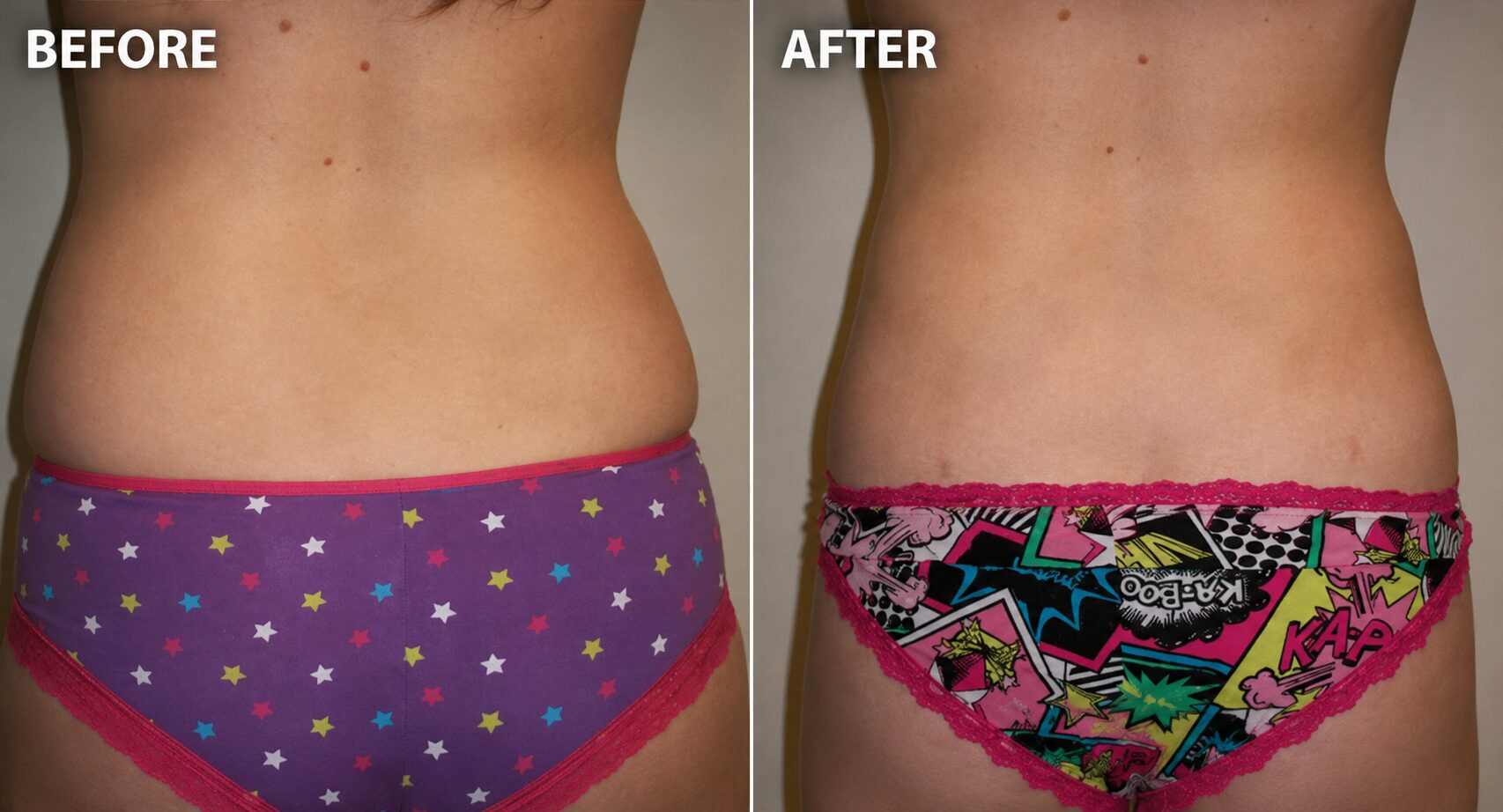
Liposuction is a surgical procedure that removes unwanted fat from targeted areas of the body to improve its contour. It is one of the most popular cosmetic procedures worldwide, valued for its ability to sculpt areas that resist diet and exercise. The concept is straightforward: through small incisions, a thin tube called a cannula is used to loosen and suction away fat deposits, reshaping the treated area into a smoother, more flattering form.
What makes liposuction so effective is its precision. Rather than reducing fat across the entire body the way weight loss does, liposuction targets specific deposits and sculpts them in relation to the surrounding anatomy. This allows a skilled surgeon to refine the waistline, define the jaw, smooth the thighs, or flatten the abdomen with a level of control that no non-surgical method can match. Dr. Ayala approaches liposuction as an art of proportion, removing fat not simply to make an area smaller but to bring the whole silhouette into better balance.
It is also important to understand what liposuction is not. It is not a treatment for obesity, and it is not a weight loss solution. The amount of fat removed is limited by safety considerations, and the purpose is contouring rather than reducing overall body weight. Understanding this distinction from the outset is the key to being happy with the result, and it is a point Dr. Ayala addresses candidly in his patient education, including a discussion of common misconceptions about liposuction.
How Liposuction Works
The mechanics of liposuction are more refined than many people imagine. The procedure begins with the placement of very small incisions near the area to be treated. These incisions are tiny, often just a few millimeters, and are positioned discreetly. Before fat is removed, the area is typically infused with a specialized solution that helps numb the region, minimize bleeding, and make the fat easier to remove. This approach, widely used in modern liposuction, contributes to a smoother procedure and a more comfortable recovery.
Once the area is prepared, Dr. Ayala inserts the cannula through the incisions and moves it through the fat layer in controlled passes. The cannula loosens the fat, which is then suctioned away, gradually reshaping the contour. The surgeon works methodically, sculpting the area and frequently assessing the result to ensure a smooth, even outcome that blends naturally with the surrounding tissue. The artistry lies in removing the right amount of fat from the right places, since the goal is a natural contour rather than a hollowed or irregular appearance.
Because the incisions are so small, they usually heal with minimal scarring that fades over time. The precision of the technique allows liposuction to be used on both large areas, such as the abdomen and thighs, and delicate areas, such as beneath the chin. Dr. Ayala selects the approach and instruments that best suit each patient's anatomy and goals, always with an emphasis on safety and a natural-looking result.
Understanding Liposuction Techniques
Liposuction has evolved considerably over the decades, and today several refinements of the basic technique exist. Understanding them in general terms helps patients appreciate why the procedure is safer and more comfortable than it once was, though the specific approach is always chosen by the surgeon to suit the patient rather than selected from a menu by the patient.
The foundation of modern liposuction is the tumescent technique, in which the specialized fluid described earlier is infused into the treatment area before fat is removed. This fluid numbs the region, shrinks blood vessels to reduce bleeding and bruising, and swells the fat so that it can be extracted more smoothly and evenly. The tumescent approach transformed liposuction into a far gentler procedure with a more comfortable recovery, and it remains central to how the surgery is performed.
Beyond this foundation, various methods use energy to help loosen fat before it is suctioned, which can make treatment of denser or more fibrous areas more efficient. Some techniques also aim to encourage a degree of skin tightening alongside fat removal. Each approach has its own strengths and ideal applications, and the differences among them matter far less to the outcome than the skill and judgment of the surgeon performing the procedure. Dr. Ayala selects the technique and instruments best suited to each patient's anatomy, the area being treated, and the goals of the procedure, always prioritizing a smooth, natural result and patient safety. What consistently produces excellent liposuction results is not a particular brand name or gadget, but the experience and artistry of the surgeon guiding the cannula.
Areas That Can Be Treated with Liposuction
One of liposuction's greatest strengths is its versatility. Because it can be applied wherever unwanted fat accumulates, it is used to refine a wide range of areas across the face and body. The abdomen is among the most commonly treated regions, where liposuction can flatten a rounded midsection and define the waist. The flanks, often called love handles, respond well to liposuction and are frequently treated together with the abdomen to create a smoother line around the torso.
The thighs, both inner and outer, are another popular treatment area, where liposuction can slim the silhouette and reduce fullness that resists exercise. The hips, buttocks, back, and the bra-line area can all be contoured to eliminate bulges and create smoother lines. The upper arms are commonly treated to reduce fullness, particularly in patients whose skin still has good elasticity. On a smaller scale, liposuction of the neck and beneath the chin can dramatically improve the definition of the jawline, addressing a double chin that often persists regardless of weight.
Liposuction is also used in men to treat areas such as the abdomen, flanks, and chest. In cases of enlarged male breast tissue, liposuction is frequently part of the treatment, and the practice offers dedicated care for this concern, including information on whether liposuction can address gynecomastia. For patients struggling with fat that will not respond to their best efforts, Dr. Ayala also shares practical guidance on getting rid of stubborn fat. The full range of options can be explored through the practice's body contouring procedures.
Who Is a Good Candidate for Liposuction?
The ideal liposuction candidate is a healthy adult who is at or near a stable, healthy weight but has localized pockets of fat that resist diet and exercise. This is an important point that distinguishes liposuction from many people's expectations. The best results come not from removing large volumes of fat from someone significantly overweight, but from refining specific areas on someone who is already reasonably fit. Liposuction sculpts what diet and exercise cannot reach; it does not substitute for them.
Skin quality is another key factor. Liposuction removes fat, but it relies on the skin to retract and conform to the new, smaller contour. Candidates with good skin elasticity tend to achieve the smoothest results, because their skin tightens naturally over the treated area. Patients with significant skin laxity may find that removing fat alone leaves loose skin behind, in which case a skin-tightening or skin-removal procedure may be recommended instead of or in addition to liposuction. This is why an individualized evaluation matters so much.
Good candidates are also non-smokers or willing to stop smoking around the time of surgery, are in good general health, and have realistic expectations about what the procedure can accomplish. Someone who understands that liposuction is a contouring tool, and who is close to their goal weight with specific stubborn areas to address, is very likely to be pleased with the outcome. During a consultation, Dr. Ayala assesses each of these factors and offers an honest opinion about whether liposuction, another procedure, or a combination will best serve the patient's goals. Prospective patients can begin by scheduling an appointment.
Realistic Expectations: What Liposuction Is and Is Not
The single most important factor in liposuction satisfaction is realistic expectations, and this deserves a frank discussion. Liposuction is an excellent contouring procedure, but the internet and social media have created some misunderstandings about what it can do. Setting the record straight helps patients approach the procedure with confidence rather than disappointment.
First, liposuction is not a weight loss method. The amount of fat that can be safely removed in a single session is limited, and the change on the scale is usually small. The visible improvement comes from reshaping the contour, not from a large drop in weight. A patient hoping to lose many pounds through liposuction will be disappointed, whereas a patient hoping to smooth a stubborn area will be delighted.
Second, liposuction does not tighten loose skin. It removes fat, and the skin must retract on its own. When skin elasticity is good, this retraction is excellent. When it is poor, loose skin can remain, which is why skin quality is assessed carefully during the consultation. Third, liposuction is not a treatment for cellulite, and it does not remove the type of internal, visceral fat that sits deep around the organs. It targets the subcutaneous fat that lies just beneath the skin. Dr. Ayala addresses these and other points directly in his discussion of liposuction misconceptions, because a patient who understands the procedure's boundaries is far more likely to be thrilled with what it can achieve within them.
The Liposuction Procedure Step by Step
Knowing what to expect during the procedure helps patients feel prepared and at ease. Liposuction is customized to each patient, but the general sequence is consistent. On the day of surgery, the treatment areas are carefully marked while the patient is standing, so that Dr. Ayala can plan the contouring precisely based on how the fat sits naturally. Anesthesia is then administered, with the type depending on the extent of the procedure and the areas being treated.
Once the patient is comfortable, the specialized fluid is infused into the treatment areas to numb the region, reduce bleeding, and prepare the fat for removal. Dr. Ayala then makes the small incisions and introduces the cannula, working through the fat in smooth, controlled passes to loosen and suction it away. Throughout the procedure, he shapes the area with attention to symmetry and proportion, frequently checking the contour to ensure an even, natural result. When multiple areas are treated, each is addressed in turn with the same care.
After the desired contour is achieved, the tiny incisions are closed or left to heal naturally, depending on the technique, and the patient is placed into a compression garment. The length of the procedure depends on the number and size of the areas treated. Because liposuction is performed in an accredited, well-equipped setting with careful attention to safety, patients can feel confident that their care is in experienced hands. Detailed instructions for the recovery period are provided before the patient goes home.
Anesthesia Options
The anesthesia used for liposuction depends on the scope of the procedure. For smaller, more localized areas, liposuction can sometimes be performed under local anesthesia, in which the treatment area is numbed while the patient remains awake and comfortable. For larger areas or when multiple regions are treated in one session, general anesthesia or a deeper level of sedation may be more appropriate, keeping the patient fully comfortable throughout.
Dr. Ayala discusses the anesthesia plan during the consultation and selects the approach that offers the best combination of comfort and safety for the individual procedure. Regardless of the type, anesthesia is administered and monitored by qualified personnel, and each patient is evaluated beforehand to confirm they are a safe candidate. This individualized, safety-first approach reflects the practice's overall philosophy, in which patients are guided carefully through every step and never rushed.
The Liposuction Recovery Timeline
Recovery from liposuction is generally more manageable than recovery from larger excisional procedures, but it still requires patience and adherence to the surgeon's guidance. Understanding the timeline helps patients plan and reassures them when normal healing sensations occur.
The First Few Days
In the first days after liposuction, patients typically experience swelling, bruising, and soreness in the treated areas, along with some drainage of the residual fluid from the small incisions, which is normal. A compression garment is worn to control swelling, support the tissues, and help the skin conform to its new contour. Rest is important, but gentle movement such as short walks is encouraged to promote circulation. Discomfort is usually well managed with prescribed or recommended medication, and many patients are pleasantly surprised that the soreness feels more like the ache of a strenuous workout than sharp pain.
The First Two Weeks
Bruising and swelling begin to improve over the first week to two weeks. Many patients feel ready to return to desk-based work within several days to a week, depending on the extent of the procedure and how they feel. The compression garment continues to be worn as directed during this phase, as it plays an important role in the quality of the final contour. Patients are usually advised to avoid strenuous activity and heavy lifting during this early window.
Weeks Two to Six
As the weeks progress, swelling steadily subsides and the contour becomes increasingly visible. Most patients are cleared to resume light exercise within a few weeks and to return to more strenuous activity, including full workouts, around the four to six week mark, as Dr. Ayala advises. The treated areas may still feel firm or slightly numb in places, which is a normal part of healing and resolves over time.
Full Results Over Several Months
While an improvement is visible early once the initial swelling settles, the final result of liposuction develops gradually. Residual swelling can take several months to fully resolve, and the skin continues to conform to the new contour during this period. The truly settled result is typically appreciated over the course of a few months. Patients who follow their aftercare instructions, wear their compression garment as directed, and maintain a stable weight are best positioned to enjoy a smooth, refined outcome.
How Liposuction Fits Alongside Other Procedures
Liposuction is remarkably versatile not only as a standalone procedure but also as a complement to other body contouring surgeries. In fact, it is frequently combined with other procedures to achieve a more complete transformation, and understanding these combinations helps patients see the full range of possibilities.
The most common pairing is with a tummy tuck. While a tummy tuck removes excess skin and repairs the abdominal muscles, liposuction refines the flanks, waist, and upper abdomen, blending the tightened central area into the surrounding contours for a smoother, more harmonious result. Liposuction is also a central component of the mommy makeover, where it contributes to restoring the body's shape after pregnancy.
Liposuction also plays a role in fat transfer procedures. The fat removed during liposuction can, in some cases, be purified and reinjected to add volume elsewhere, such as in a buttock enhancement or in facial fat injections that restore youthful fullness. This makes liposuction a dual-purpose tool, both removing fat from where it is unwanted and providing a natural material to enhance areas that would benefit from added volume. For patients with enlarged male chest tissue, liposuction is often combined with tissue removal as part of treatment. Dr. Ayala evaluates whether combining procedures is appropriate for each patient, always balancing the benefits against safety and total surgical time.
Liposuction vs Non-Surgical Fat Reduction
Patients often ask how liposuction compares to non-surgical fat reduction treatments and to newer weight loss options. Each has its place, and the right choice depends on the patient's goals. Non-surgical fat reduction treatments can reduce modest amounts of fat in specific areas without surgery, but they generally produce more subtle results and often require multiple sessions. They can be a reasonable option for patients with small concerns who wish to avoid surgery, but they do not match the degree of contouring that liposuction achieves in a single procedure.
Medical weight loss options, including the weight loss injections that have become widely discussed, serve an entirely different purpose. They help patients reduce overall body weight, whereas liposuction sculpts specific areas once a patient is near their goal weight. In fact, the two can be complementary over time: a patient may use medical weight loss to reach a stable weight and then turn to liposuction to address the stubborn areas that remain. For patients whose main concern is loose skin rather than fat, skin tightening treatments may be more appropriate. Dr. Ayala helps each patient understand which tool, or combination of tools, fits their particular situation.
Results, Longevity, and Maintaining Your Outcome
One of the most reassuring facts about liposuction is that the fat cells removed during the procedure do not come back. Adults have a relatively stable number of fat cells, and once those in a treated area are removed, they are gone for good. This is why liposuction results are considered long lasting. The contour created by the procedure is durable, provided the patient maintains a stable weight.
That last point is important. While the treated fat cells do not return, the remaining fat cells throughout the body can still enlarge if a person gains a significant amount of weight. Because the treated area has fewer fat cells, weight gain may distribute somewhat differently than before, but maintaining a stable weight is the best way to preserve the sculpted result. Patients who continue the healthy habits that made them good candidates, a balanced diet and regular activity, enjoy their results for years.
Maintaining the outcome, then, is largely within the patient's control. Liposuction gives the body a refined starting point, and a healthy lifestyle keeps it that way. Many patients find that seeing their improved contour actually motivates them to maintain their habits, creating a positive cycle that sustains the result well into the future.
Common Misconceptions Revisited
Because liposuction is so widely discussed, it is worth revisiting a few persistent myths to ensure patients approach the procedure with clarity. The belief that liposuction is a weight loss shortcut is perhaps the most common, and as explained, it is not accurate; liposuction contours specific areas rather than reducing overall weight. Another myth is that the fat always comes back after liposuction. In reality, the removed fat cells do not return, though remaining cells can grow with weight gain, which is why weight stability matters.
Some people believe liposuction will tighten loose skin, but it removes fat and depends on the skin's own elasticity to retract. Others assume liposuction can be performed on anyone regardless of health or weight, when in fact the best candidates are healthy, near their goal weight, and have good skin quality. Dr. Ayala takes the time to dispel these misconceptions during the consultation, and he explores several of them in his patient resources on liposuction misconceptions. Clearing up these misunderstandings is not merely academic; it is what allows patients to set realistic goals and be genuinely happy with their results.
Liposuction for Men
Liposuction is not only one of the most requested cosmetic procedures among women; it is also increasingly popular among men. Male patients often seek liposuction to address areas that resist even a dedicated fitness routine, most commonly the abdomen, the flanks, and the chest. Men tend to store stubborn fat in patterns that can obscure the definition they work hard to build in the gym, and liposuction can reveal a firmer, more athletic contour by removing those deposits.
The chest is a particularly common concern for men. Enlarged male breast tissue, a condition known as gynecomastia, can be a source of self-consciousness, and liposuction is frequently part of its treatment, often combined with the removal of firmer glandular tissue when necessary. The practice offers focused care for this concern and explains how liposuction can help address gynecomastia. Because male tissue can be denser and more fibrous than female tissue, treating it well calls for experience and a tailored technique, which Dr. Ayala brings to each case.
Men considering liposuction benefit from the same candidacy principles that apply to everyone: being near a stable weight, having good skin quality, and holding realistic expectations. For male patients who are fit but frustrated by a specific area that will not respond, liposuction can be a highly effective way to achieve the defined contour they are after.
Preparing for Your Liposuction Procedure
Preparing well for liposuction helps ensure a smooth procedure and an easier recovery. In the lead-up to surgery, patients are generally advised to reach a stable weight, since liposuction refines a body that is already close to its goal rather than serving as a weight loss tool. As with any surgery, smokers are asked to stop well beforehand and to stay smoke-free during healing, because nicotine impairs circulation and slows recovery.
Dr. Ayala provides guidance on pausing certain medications and supplements that can increase bleeding or bruising, and a pre-operative evaluation confirms that the patient is healthy enough for the chosen anesthesia and procedure. Patients are advised to arrange transportation home and, depending on the extent of the procedure, to have someone stay with them for the first day. Preparing comfortable, loose clothing that fits over a compression garment, stocking easy meals, and setting up a restful recovery space all make the early days more comfortable.
Because compression garments play such an important role in the quality of the liposuction result, patients are shown how and when to wear them and are encouraged to follow that guidance closely. Staying hydrated, eating nourishing food, and taking short walks to promote circulation all support healing. Patients who arrive prepared and who follow their aftercare instructions consistently tend to enjoy the smoothest recoveries and the most refined results. The practice's team reviews all of these steps at the pre-operative visit so that patients feel fully informed and at ease.
Frequently Asked Questions
Is liposuction a weight loss procedure?
No. Liposuction is a contouring procedure that removes localized fat from specific areas to reshape the body. The amount of fat removed is limited for safety, and the change in overall weight is usually small. The best candidates are near their goal weight with stubborn areas that resist diet and exercise.
Will the fat come back after liposuction?
The fat cells removed during liposuction do not return. However, the remaining fat cells in the body can enlarge if you gain significant weight, so maintaining a stable weight is important to preserve the result. With a healthy lifestyle, liposuction results are long lasting.
Does liposuction tighten loose skin?
No. Liposuction removes fat but relies on the skin to retract over the new contour. Patients with good skin elasticity achieve the smoothest results. Those with significant skin laxity may need a skin-tightening or skin-removal procedure in addition to or instead of liposuction, which Dr. Ayala discusses during the consultation.
What areas can be treated with liposuction?
Liposuction can treat many areas, including the abdomen, flanks, thighs, hips, buttocks, back, upper arms, and the neck and chin. It is used in both women and men and is often part of treatment for enlarged male chest tissue. Multiple areas can sometimes be addressed in a single session.
How long is the recovery from liposuction?
Many patients return to desk work within several days to a week, depending on the extent of the procedure. Light exercise usually resumes within a few weeks and strenuous activity around four to six weeks. Swelling continues to resolve over several months as the final contour settles.
Is liposuction painful?
Most patients describe the discomfort after liposuction as soreness similar to an intense workout rather than sharp pain, and it is typically well managed with medication. A compression garment supports the area and helps control swelling during recovery.
Can liposuction be combined with other procedures?
Yes. Liposuction is frequently combined with a tummy tuck, performed as part of a mommy makeover, or used to harvest fat for transfer to areas such as the buttocks or face. Dr. Ayala determines whether combining procedures is safe and appropriate based on the patient's health and goals.
How is liposuction different from weight loss injections?
Liposuction sculpts specific areas of stubborn fat once a patient is near their goal weight, while weight loss injections help reduce overall body weight. They serve different purposes and can even be complementary, with a patient using medical weight loss to reach a stable weight before refining specific areas with liposuction.
Schedule a Liposuction Consultation in San Antonio
Liposuction offers a precise, effective way to remove stubborn fat and refine the body's contour when diet and exercise have reached their limits. The key to a great result is a customized plan created by an experienced surgeon who understands proportion, skin quality, and safety. Dr. John Ayala brings that expertise to every procedure, taking the time to understand each patient's goals and recommend the approach that fits them best. Patients in and around San Antonio can schedule a consultation or contact Ayala Plastic Surgery to learn what liposuction can do for them.